Mastering the Art of Arranging Pictures on Walls
Intro
Arranging multiple pictures on a wall can be an art form in itself. It’s not just about slapping a few frames up and calling it a day; it’s about curating a space that tells a story, evokes emotions, and reflects personal taste. Whether it's a cozy living room or a bustling hallway, the right arrangement can transform a mundane wall into a captivating canvas. In this guide, we will navigate through the thoughtful process of displaying your cherished images, providing tips and insights to ensure each piece contributes to a harmonious presentation.
Home Features
Architectural Marvels
When it comes to positioning photos on walls, the architecture surrounding them plays a critical role. The design of the home should complement and enhance the artwork, rather than competing with it. High ceilings, for instance, offer an opportunity to use larger frames or even elaborate galleries that draw the eye upwards. The trick is to maintain a balance; an ornate structure might benefit from simpler, more minimalistic designs to avoid overwhelming the space.
In contrast, much smaller or cozy interiors can create a snug atmosphere with curated groupings that reflect warmth and personality. Think of clustering smaller frames of different shapes and sizes; this can pack a punch without making the room feel crowded. Try using walls that might seem underused, like landings or stairwells, as they can turn awkward spaces into surprising showcases.
Unique Design Elements
Every home has its quirks—those unique design elements that give it character. Have an exposed brick wall? Use it as a backdrop for black and white photographs to create a gorgeous contrast. If the style of the home leans towards the rustic, wooden frames or even reclaimed materials can add a level of cohesion and warmth.
In the case of modern spaces with clean lines and sharp angles, sleek frames in black or white can create dramatic visual interest. Never underestimate how a gallery wall can transform even the blandest of spaces into a conversation starter. Just be sure to consider the positioning: each piece should relate to its surroundings in a meaningful way. Attention to detail, such as spacing and alignment, enhances the overall visual appeal.
"A well-designed gallery wall is less about the number of frames and more about the narrative they weave together."
Interior Design Inspirations
Color Palettes and Themes
Choosing a cohesive color palette is fundamental for a successful display. A wall filled with diverse pieces can sometimes appear chaotic if the tones clash. Think about how colors interact; warm tones can promote a sense of comfort, while cooler hues bring tranquility. You can tie together images through color, choosing frames that echo the shades found in the photos or the room decor, ensuring a harmonious palette across the board.
Furniture Arrangement Tips
The arrangement of furniture is another crucial element that affects how a picture display is perceived. For instance, if you have a large sofa against a wall, it can serve as a substantial anchor for framed pieces above it. Placing the art a bit higher than eye level can create an expansive feeling, particularly in rooms with lower ceilings. On the flip side, in a formal dining area, having a large artwork centered above a sideboard or buffet can draw the eye and invite conversation over dinner.
End
In summary, the art of arranging multiple pictures on a wall is less about adhering to strict rules and more about expressing personal style. Each arrangement should resonate with your individual taste while considering the characteristics of your space. By taking into account the architecture, color palette, and furniture layout, anyone can create a visually stunning and inherently personal gallery that brings joy to those who enter the space. More than just decoration, it becomes a reflection of stories, memories, and the essence of home.
For further reading, consider checking resources like Wikipedia, or visit Britannica for historical perspectives on the significance of visual art.
The Aesthetic Potential of Wall Displays
Arranging multiple pictures on a wall can turn an ordinary room into a breathtaking gallery. This visual storytelling not only showcases personal taste, but also enhances the overall atmosphere of a space. The potential for aesthetic improvement is profound; well-arranged displays can create a focal point, inject character into bland spaces, and even inspire emotion.
The key to successful wall displays lies in understanding the balance between aesthetics, functionality, and personal expression. When homeowners appreciate the transformation that well-thought-out arrangements can bring, they are more likely to engage fully with their living environments.
Understanding Visual Balance
Visual balance refers to the distribution of visual weight throughout the wall space. Think of it as a seesaw; if one side is heavier, the balance is off. Whether the display is symmetrical or asymmetrical, each piece should complement the others in both size and style.
For instance, imagine a large abstract painting paired with smaller photographs. The larger piece draws the eye and anchors the display, while the smaller pieces fill in the space without overwhelming it. To achieve balance, consider:
- Size: Vary the dimensions of the pieces, but ensure no single element overpowers the others.
- Shape: Mix frames and styles thoughtfully, paying attention to the harmony between geometric shapes and organic forms.
- Spacing: Keep consistent distances—too far apart, and the artwork feels disconnected; too close, and it may clutter the visual experience.
The Role of Color Coordination
Color plays a pivotal role in the aesthetic potential of wall displays. Harmonious color schemes can pull together diverse artwork in a coherent manner that feels deliberate. When selecting pieces,
- Monochromatic Themes: Sticking to shades of the same color can create a striking effect. For instance, various shades of blue might evoke calmness while also drawing the eye across the wall.
- Complementary Colors: Use the color wheel to find opposites that enhance each other. A vibrant orange artwork paired with deep blues can create a dynamic interplay.
- Neutral Backgrounds: Consider using muted colors on the wall itself, allowing the art to shine without competing for attention.
Establishing a deliberate color scheme not only enhances the visual appeal but it also sets the mood of the space.
Themes and Cohesion
Themes act as a narrative thread that connects various pieces on display. Rather than randomly placing pictures, choosing a specific theme fosters cohesion, bringing unity to the arrangement that may otherwise seem disparate.
- Historical Context: Choose artwork that reflects a period of interest, such as Romanticism or Modernism, tying together pieces that span different styles yet share a common heritage.
- Personal Experiences: Photos from family vacations, art from local artists, or pieces that embody personal milestones can weave a narrative that’s both uniquely meaningful and visually appealing.
- Subject Matter: Whether you opt for landscapes, portraits, or abstracts, maintaining consistent subject matter can create a more comfortable viewing experience.
In summary, the aesthetic potential of wall displays lies in their ability to transform spaces through visual balance, color coordination, and thematic cohesion. Each consideration plays a significant role in how art resonates with visitors and occupants, turning an empty wall into a compelling expression of identity and creativity.
Choosing the Right Pictures
When it comes to creating a visually appealing wall display, the selection of pictures is paramount. This process isn't merely about picking what stands out at first glance; it's a thoughtful consideration that can elevate your space. Choosing the right pictures aligns your personal style with the overall atmosphere you want to create. Not only do the pictures you select set the tone for the room, but they also tell a story about who you are and what you value.
In this section, we’ll explore various aspects of selecting artwork, from the personal resonance of your choices to the implications of blending different styles and formats.
Personal vs. Professional Art
Art can speak volumes. When deciding between personal art—like family photos or amateur paintings—and professional pieces, consider the emotional weight each holds. Personal art can evoke memories and nostalgia, sparking conversations about shared experiences. For instance, a candid shot from a family vacation captures not just an image but the feelings that accompanied that moment.
On the other hand, professional art often brings a refined aesthetic to a space, representing cultural or contemporary themes not just through visuals, but through a technique and emotional depth that can enhance your decor.
So, how do you strike a balance between the two? It comes down to context. Injecting personal pieces into an assortment of professionally framed artworks can create warmth and authenticity. Position these images thoughtfully; for instance, family portraits might sit in the center of a gallery wall, surrounded by more significant, professionally crafted pieces.
Photography and Framed Prints
Photography, whether it’s a casual snapshot or a professionally captured image, provides a unique storytelling avenue. Well-framed photographs can imbue your space with a personal touch while also satiating the artistic eye. Variations in frame color, finish, and size can bring a cohesive feel to a diverse set of images.
When selecting photographs, think about your themes. Do you enjoy travel, nature, or candid portraits? Each category adds a different flavor. For a more cohesive arrangement, consider sticking to a consistent color palette or style of photo, such as sepia tones or vibrant landscapes. This unification assists in creating a visual thread that guides the eye throughout the display.
It could also be beneficial to mix sizes—larger prints can act as focal points, while smaller imagery can add depth. A cluster of various-sized images provides rhythm and keeps the viewer engaged.
Mixing Mediums for Interest
Imagine a wall filled with a singular style—be it only photography or only canvas art. It might become visually monotonous, lacking dynamism. Mixing mediums introduces an element of surprise and texture that can enliven your wall.
You might combine framed prints with original art pieces on canvas or even textiles like tapestries. The textures can create a richer viewing experience; for example, a soft fabric piece paired with a sleek, glass-framed photo can juxtapose contrasts while maintaining harmony.
Furthermore, consider incorporating three-dimensional pieces, such as wall sculptures or shadow boxes, which can add an unexpected twist to your arrangement. This technique aids not only in visual interest but also creates a spatial dialogue within your room, encouraging exploration of the displayed elements.
In summary, the selection of pictures is not just a simple task but a strategic endeavor that can significantly influence the overall ambiance of your space. Choosing between personal and professional art, considering the power of photography, and mixing mediums are essential steps in honing a wall display that resonates with both you and your guests.
Assessing Wall Space and Dimensions
Understanding how to assess wall space and dimensions is vital in the process of arranging multiple pictures on a wall. The larger context of your living space and its existing design elements shape not only what you can hang, but also how each piece will interact with the others and the surrounding environment. It’s more than just slapping a picture up on the wall; it’s about making sure that every inch sings in harmony.
Measuring Wall Area
Before even thinking about which pictures to hang, it’s crucial to measure the wall area effectively. Accurate measurements help determine how many pieces can comfortably fit. Grab a tape measure and jot down the width and height of your wall. Don’t just calculate the total square footage; consider how much available space remains after accounting for furniture or fixtures that might obstruct sight lines.
- Length and Height: Measure the wall from corner to corner, and take note of the wall height from floor to ceiling.
- Divisions or Features: Identify any architectural features like windows, doors, or electrical outlets that could impact the display.
- Clearances: Ensure there’s enough distance from any furniture or pathways to allow the art to be viewed without obstruction.
Measuring isn’t just about numbers; it’s about setting the stage for your artistic expression.
Height Considerations
Height plays a significant role in how art is perceived. Everyone has different viewing heights, and placing art too high or too low can lead to awkward viewing experiences. A common recommendation is to hang art so that its center point is approximately 57 to 60 inches from the floor, which is considered average eye level for most people. However, personalize this based on your own height and the dimensions of the room.
- Room Functionality: Art in living rooms can be placed slightly higher compared to personal spaces like bedrooms, where relaxation and proximity might call for lower placements.
- Viewing Angles: Be mindful of the seating arrangement as well. Ensure your piece can be appreciated from where people are likely to view it.
- Multiple Pieces: When hanging multiple pictures together, visualize a collective center rather than focusing on each piece individually. All of them should read together at a glance.
Using Templates for Planning
Before committing to nail holes or adhesive methods, using templates for planning can be a game changer. Creating paper templates allows you to visualize how pieces will look against the wall without any permanent changes.
- Cut out paper: Use paper to cut out the shape of each frame, double-checking the actual sizes.
- Positioning: Use painter's tape to stick these templates to the wall to play around with layouts. This step is key for achieving the conditions you want before drilling in your hardware.
- Feedback Loop: Step back and assess your mock-up regularly. Make adjustments freely without the stress of having to re-position things repeatedly after they’re hung.
Using templates not only enhances creativity but also saves you time and resources, ensuring you stick to a cohesive and balanced design that fits your personal taste.
Pro Tip: Consider taking a photo of your template layout. This can serve as a reference for when you're ready to hang your pieces for good.
Assessing wall space and dimensions is the foundation upon which every other decision in your art display relies. From measurements to considerations for view heights and flexible planning, a thoughtful approach can transform your walls into a gallery-worthy showcase.
Display Techniques
When it comes to showcasing a collection of pictures, the way they are displayed can greatly influence not just the aesthetics of a room, but also the emotions they evoke. The various display techniques create patterns, balance, and flow, turning ordinary walls into visual sagas that tell stories of history and personality. Understanding the nuances behind these techniques can empower homeowners and design enthusiasts alike to create dynamic visual experiences that resonate on a deeper level.
Grid Layouts
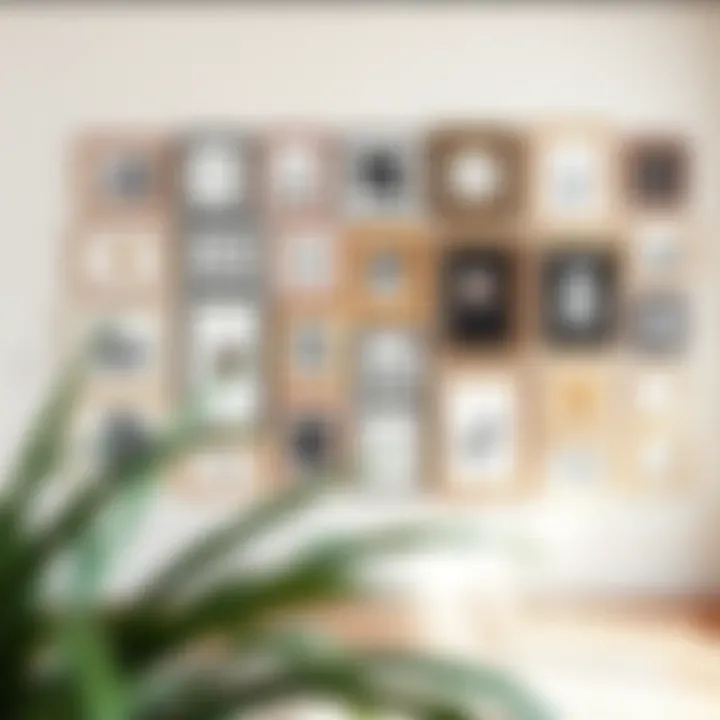
A grid layout is a method that relies on symmetry and order, creating a sense of structure and coherence among multiple pictures. Each piece is arranged neatly, often with equal spacing, resembling a well-organized collection. This approach works best in modern and minimalist spaces where clean lines and simplicity reign supreme.
Benefits of Grid Layouts:
- Visual Consistency: By aligning your frames in a grid, it fosters a sense of harmony that can ease the visual chaos that happens when mixing various styles or sizes.
- Framing Attention: It draws the viewer's eye across the entire wall, allowing for each piece to be recognized without overshadowing the others.
To implement a grid layout effectively, consider using a level and a measuring tape. Start by determining the center of your wall and work outwards, ensuring even spacing that holds true to the dimensions and visual weight of each frame.
Salon Style Arrangements
Salon style arrangements, on the other hand, are a delightful departure from the rigidity of grids. This style is characterized by a free-spirited arrangement of artwork, often in various sizes and orientations. It gives room for theatrical flair and individuality, making it a fantastic choice for more eclectic or artistic home environments.
Considerations for Salon Style:
- Diverse Sizes and Shapes: Mixing small and large frames creates visual interest and allows for a more personalized touch.
- Layering: This technique can include overlapping pieces, making for a dramatic effect that can change with each new addition.
To achieve a successful salon-style display, begin by laying out the pieces on the floor in different arrangements before committing to hanging them. This will provide an overview of how they may look without leaving lasting marks on your wall.
Diagonal and Asymmetrical Displays
The diagonal and asymmetrical displays let loose the grip of traditional arrangements entirely. Rather than focusing on straight lines, these techniques celebrate movement and creativity. It throws conventional symmetry out of the window, inviting unpredictability, and can be particularly engaging in casual or informal areas like family dens and creative studios.
Advantages of Diagonal and Asymmetrical Displays:
- Dynamic Flow: Arranging art pieces in a diagonal line can lead the eye through the collection, creating energy in the space.
- Artistic Expression: It allows a homeowner’s personality to shine through, as there's no right or wrong way to achieve these layouts.
When using this technique, starting from a focal point, such as a large piece of artwork, and arranging smaller pieces off to either side can create a sense of balance while still feeling random and fun.
"Art is not what you see, but what you make others see." - Edgar Degas
The beauty of display techniques lies in their flexibility. They allow for creativity while also providing the opportunity to transition from an empty wall into a vibrant gallery that reflects both mood and style. Selecting the right technique can considerably enhance the atmosphere and narrative of your space.
Hanging Techniques and Tools
Hanging pictures on a wall may seem like a simple task, but it can be a remarkable factor in achieving that impressive look for your living space. This section dives into the essentials of the tools and techniques that have the potential to elevate any wall from plain to picture-perfect. With the right hardware and approach, you can ensure that the outcome is both visually appealing and secure.
Appropriate Hardware Choices
When it comes to hanging pictures, not all hardware fits all scenarios. The right choice of tools can make or break the way your art is presented. For lightweight frames, standard picture hooks should suffice. However, once you start dealing with larger and heavier items, considerations take a leap.
Use wall anchors when you're working with plaster or drywall, as they provide extra support. Screws and nails need to be selected based on the weight of what you’re hanging. Always check the packaging for a weight rating. If you’re planning a leaning display, consider the benefit of using command strips—they are phenomenal for surfaces that you might not want to dent or damage.
Here’s a breakdown of some commonly used hardware:
- Picture Hooks: Great for general use on drywall.
- Wall Anchors: Essential when hanging heavy frames.
- D-rings or Sawtooth Hangers: Useful for securing frames on the wall.
Ultimately, having the right hardware in your toolkit can drastically change the success of your display.
Leveling and Alignment
One surefire way to enhance the aesthetic value of your collection is to ensure that everything is level and aligned properly. Even a slight tilt or misalignment can distract the eye and diminish the visual impact.
Here are some practical steps to achieve perfect leveling:
- Use a Level Tool: A standard level tool can help you keep lines straight when hanging your pictures. For larger displays, a laser level may be preferred for its efficiency. It creates a guiding line that can simplify the hanging process across multiple frames.
- Measure Twice: Dig into the details. Use a measuring tape to find where the center of each piece will hang. Match heights with adjacent frames, so they don’t look mismatched.
- Reference Points: If you’re creating a grid or salon-style arrangement, establish a reference point that serves as a starting position.
"It’s not only about hammering a nail in the wall; it’s about precision and eye-catching alignment".
Taking your time to level and align pieces could be the difference between a chaotic look and a well-thought-out display.
Adjustments and Safety
After hanging your pictures, the final step is to make a few adjustments and ensure safety. Occasionally, even the most meticulous planning can result in a minor imperfection once the pieces are up. Don’t sweat it; adjustments can be a straightforward process.
Begin with these considerations:
- Check the Stability: Give each piece a gentle nudge. If it wobbles, it might need a different anchor or a screw to hold it steady. Never compromise on security, especially if you have kids or pets around.
- Assess the Lighting: After hanging, observe how light interacts with your artwork. Moving a piece slightly can make a world of difference in illumination and visibility.
- Regular Maintenance: Be proactive about checking the condition and positioning of wall art. Remind yourself that what looks good now may shift with time, so a periodic check will preserve the integrity of your display.
By employing reliable hanging techniques and tools, along with thoughtful adjustments, your wall displays can become a testament to your artistic vision, merging safety, elegance, and functionality seamlessly.
Creating a Focal Point
A focal point is essential when arranging multiple pictures on a wall. It acts as an anchor, drawing the viewer's eye and providing a sense of purpose to the display. Without a clear focal point, the arrangement can feel chaotic, lacking harmony and direction.
Defining the Centerpiece
To create an effective focal point, defining the centerpiece is crucial. This could be a larger artwork, a unique piece, or even a group of smaller items that complement each other. The centerpiece serves as the main visual attraction, often placed either at eye level or in a spot where it naturally draws attention.
When selecting a centerpiece, consider these points:
- Size: Choose something that is proportionate to the wall and surrounding items. A solitary large artwork can sometimes make a bigger impact than a collage of smaller pieces.
- Theme Consistency: Ensure that the centerpiece aligns with the overall theme and color scheme of the other works. It should resonate with the type of aesthetic you are aiming for.
- Visual Interest: A most important aspect, the centerpiece must engage the viewer. Intriguing textures and bright colors can lead the eyes naturally towards it.
Complementary Art versus Contrasting Pieces
The choice between complementary and contrasting art around your focal point can shape the overall feel of the display.
- Complementary Art: This involves selecting pieces that share similar tones, styles, or themes to enhance the focal point without overshadowing it. This approach creates a cohesive, tranquil atmosphere. For example, a vibrant painting can be accompanied by softer art pieces that share similar hues but offer different perspectives. This unison invites viewers to appreciate the array without any jarring transitions.
- Contrasting Pieces: This strategy employs artworks that provide a stark difference to the centerpiece, be it through color, style, or subject matter. Such contrast can energize the space, creating a dynamic tension that provokes thought and conversation. For instance, pairing a delicate, impressionist painting with bold abstract pieces can create visual drama, making the display striking and memorable.
Ultimately, whether you choose to complement or contrast, it’s all about balancing visual weight and ensuring that the focal point remains king of the wall.
"A well-defined focal point can transform a mundane wall into a captivating narrative, guiding the viewer’s gaze and enhancing the overall aesthetic of the space."
Creating a focal point can turn a wall display into a story—a visual dialogue that speaks volumes while reflecting your personal taste. Choose wisely!
Incorporating Lighting into Displays
In the realm of interior design, light can become a silent yet powerful player in the overall aesthetic of wall displays. When it comes to artfully arranging pictures, not just the arrangement matters, but also how they are illuminated. Proper lighting can highlight textures and colors, create mood, and even influence how a viewer experiences the artwork itself. This section explores the nuances of incorporating natural and artificial lighting into your displays to really make those pictures pop.
Natural Lighting Considerations
Natural light can breathe life into any space. When arranging multiple pictures on a wall, it’s essential to assess how sunlight interacts with those pieces throughout the day. Consider the time of day you have the most sunlight streaming through your windows. If your wall is bathed in morning sun, then lighter, vibrant colors might thrive, whereas pieces rich in deep hues could be better suited for late afternoon light.
- Orientation of Your Wall: A north-facing wall receives indirect light and can be perfect for more dramatic pieces. On the other hand, a south-facing wall can bring a warm, inviting glow but might require more protection against potential fading.
- Window Treatments: It's also wise to think about curtains and blinds. A sheer curtain can diffuse harsh sunlight, softening its intensity and creating a beautiful ambiance without washing out the colors of your art.
Utilizing natural light is not just about position; it’s also about timing. Changing a few pictures seasonally according to how the light shifts can give a refreshing twist to any room while preserving the integrity of the artwork.
Artificial Lighting Solutions
When the sun goes down, or if natural light is scarce, artificial lighting can step in, and there are several ways to make it work for you:
- Track Lighting: This is a versatile option that allows you to shine light directly where it’s needed most. Adjustable fixtures can focus on individual artworks, effectively drawing attention to them without flooding the entire wall with light.
- Wall Sconces: These fixtures can act as both decorative elements and functional lighting. The right sconces can highlight specific sections of your display or create interesting shadows that add depth and texture.
- LED Strip Lights: These are discreet and can be placed behind frames or along the edges of shelves. They provide a modern look and can be easily adjusted to warm or cool tones, depending on the desired effect.
In addition, layering various light sources not only creates a dynamic visual experience but also enhances the mood within the room. Whether you opt for recessed lights or pendant fixtures, consider dimmable options for flexibility.
"Properly lit art can transform a space; it adds a new dimension, making even the simplest picture command attention."
Choosing the right combination of natural and artificial lighting can be a game changer in presenting art on your walls. It's about creating an experience—where the art marries style with functionality, producing a harmonious display that resonates with the viewer’s sentiments.
Seasonal Updates and Rotations
In the realm of interior design, walls often serve as both a canvas and a stage for our personal stories. Seasonal updates and rotations play a crucial role in keeping wall art fresh and relevant, ensuring that the display evolves along with your life and changing aesthetics. As seasons shift, so do the accompanying emotions, colors, and themes that resonate with us. This cyclical approach to arranging art can breathe new life into a space while offering a deeper connection to the environment.
Refreshing Themes with the Seasons
One of the key motivations behind seasonal updates is the ability to refresh the themes that adorn our walls. Each season possesses unique characteristics and moods. For instance, spring's lively blooms invite vibrant, colorful imagery; summery beach scenes evoke feelings of relaxation and fun; autumn may call for rustic tones that mirror the changing leaves, and winter often brings a sense of warmth and calm, perfect for cozy, comforting visuals.
Incorporating seasonal themes can also enhance the ambiance of your home:
- Spring: Consider displaying botanical prints or artwork featuring pastel colors, showcasing growth and renewal.
- Summer: Sun-soaked photographs of beaches, sunflowers, or vibrant landscapes can inspire relaxation and vitality.
- Autumn: Embrace pieces with earth tones and cozy themes—think warm family gatherings or rich landscapes.
- Winter: Decorate with minimalistic, serene artwork, perhaps featuring snowy scenes or abstract representations of winter's tranquility.
By aligning your wall displays with the seasons, you invite a dynamic flow throughout your home. This practice not only uplifts your surroundings but also enhances your daily experiences by reflecting the rhythm of nature.
Incorporating Personal Growth and Change
Life is an ever-evolving journey, and our personal growth is often reflected in our tastes and emotions – particularly in the art we choose to display. As we navigate transitions, whether they be milestones like moving into a new home, starting a new job, or even pursuing a personal passion, it's essential to let our wall art evolve alongside us.
When reflecting on personal growth, consider these approaches:
- Choose Art That Resonates: Select pieces that symbolize your journey or represent new interests you have developed over time. If you’ve recently taken up photography, featuring your own work can be both personal and empowering.
- Rotate to Reflect Changes: Regularly updating your wall art allows you to showcase different aspects of your identity. For example, if you've gained interest in abstract art versus realism, why not swap in a few new pieces or rotate the old ones back out?
- Celebrate Milestones: When you reach a personal goal, like a graduation or a family reunion, honor it with wall art that reflects that achievement. This not only marks the moment but also encourages continued motivation in your personal endeavors.
"Art ignites emotion, making our homes not just living spaces but reflections of who we are at any given moment."
Incorporating these seasonal updates and personal reflections into your wall art not only elevates aesthetics but establishes a deeper connection to your space and experiences. This mindful approach transforms walls from mere boundaries into meaningful reflections of change and growth.
Maintenance and Care for Wall Art
Caring for wall art is not just about keeping dust off frames or ensuring that colors don’t fade; it's a practice rooted in preserving the emotional and aesthetic value that art brings to our spaces. The maintenance and care of your wall art serve several purposes that directly influence the longevity and enjoyment of your chosen pieces. By engaging in proper upkeep, homeowners can not only enhance the visual appeal of their rooms but also ensure that their collectibles retain their intended emotional impact.
Cleaning Techniques
Keeping wall art clean can feel like a chore, but it’s essential for maintaining its vibrancy and preventing irreversible damage. Here are some techniques to consider:
- Dust Regularly: A light dusting with a soft, dry microfiber cloth can go a long way. This step should be a part of your monthly cleaning routine to prevent dirt buildup.
- Use Gentle Cleaners: For prints behind glass or acrylic, a mixture of water and a mild dish soap works wonders. Always use a lint-free cloth and avoid ammonia-based products that can cloud the surfaces.
- Be Mindful of the Surrounding Environment: In spaces with high humidity or pollution, consider using air purifiers or dehumidifiers to minimize the impact on your art.
As a practical example, I once had an old landscape painting that had developed a layer of grime over the years. By using plain warm water and a soft cloth, I managed to restore it to its original glory, revealing colors that I’d forgotten were there. Not every artwork will respond the same way, so educator’s words of caution apply: always spot test any cleaner in an inconspicuous area first.
Preservation Methods
After cleaning, the next step is preservation—a commitment to protect your art from environmental threats. Several effective methods can safeguard your prized pieces:
- Temperature Control: Hanging art in rooms with stable temperature and humidity levels is essential. Extreme fluctuations can warp frames or degrade materials.
- UV Protection: Consider using UV-filtering glass or acrylic for framing. This protects against sunlight, which can cause colors to fade over time. You can also place your art out of direct sunlight to minimize exposure.
- Proper Framing: Ensuring that pieces are framed properly protects against dust and moisture. Use acid-free materials for backing and matting to avoid chemical reactions that can damage your art.
Remember, it’s not just about looking good; it’s about feeling good about what you have on your walls. By caring for your artworks, you’re showing respect for the artists' efforts and intention behind the piece. Furthermore, if you are considering changes in season or mood, recalling these tips will make it simpler to update your displays without starting from scratch.
"The best way to appreciate art is to ensure its preservation; each piece tells a unique story that deserves to be heard for years to come."
Cultural Influences on Wall Art Arrangements
Art does not exist in a vacuum; it reflects the society and culture from which it springs. When we talk about wall art arrangements, understanding cultural influences is key to creating spaces that resonate deeply with their inhabitants. Each culture brings its own narrative and iconography to display methods, affecting how art is used to express identity, values, and traditional beliefs.
For homeowners and design enthusiasts, recognizing these influences enriches their approach to framing their walls. Instead of simply choosing pieces that look good together, incorporating cultural elements into arrangements can forge a more meaningful connection to the art, enhancing both appreciation and impact.
Global Display Variations
Across the globe, wall art displays take on forms that uniquely reflect local customs and historical influences. In South America, for example, vibrant, bold colors are often seen, influenced by indigenous patterns and a rich tapestry of cultural expressions. Conversely, Japanese interior spaces may feature minimalist aesthetics, with art carefully hung at eye level to encourage contemplation.
Furthermore, certain cultures prioritize specific themes, like family lineage or spirituality, in their displays. In African cultures, for instance, masks and textiles often narrate stories of lineage or heritage when hung prominently on walls. This variation not only modifies the visual aspect of an area but also injects the atmosphere with rich significance and unique stories that invite engagement from viewers.
- Key Considerations in Global Displays:
- Cultural Relevance: Be mindful of what different pieces symbolize in various cultures.
- Color Palette: Understand that colors can carry varied meanings across cultures, impacting the emotional response.
- Proportions and Layout: What looks balanced in one culture might seem off in another; layout conventions differ widely.
Cultural Significance of Patterns
Patterns in wall art hold profound significance, acting as visual languages that convey cultural and regional identities. For example, the intricate designs found in Islamic art are not just decorative; they are steeped in centuries of theological concepts that eschew depictions of living things to focus on the beauty of symmetry and geometry.
In the case of African fabric patterns, each design serves a purpose. They communicate status, community, and personal stories, so when these pieces are displayed, they bring their cultural narratives to the forefront, turning walls into living chronicles of tradition.
"Understanding the stories behind art can become a further invitation for engagement within your space, allowing viewers to connect with deeper meanings rather than mere aesthetic pleasure."
When selecting patterns for wall displays, consider the stories they encompass. Incorporating such pieces encourages conversations about their origins and cultural significances, making the arrangement more than just about beauty; it becomes a dialogue across cultures.
To wrap it up, embracing the cultural facets of wall art arrangements enables designs to transcend mere decoration. They become windows into traditions, lifestyle choices, and personal narratives, all while adding layers of meaning that resonate long after they are hung on the wall.
The Psychological Impact of Visual Art
The influence of visual art on human psychology is both profound and multifaceted. As we navigate the complexities of our environment, the art we choose to display can significantly shape our mood and perceptions. Pictures and displays on our walls are not merely decorative; they possess the power to evoke emotions, stimulate thoughts, and even impact our overall well-being. Understanding this importance offers insight into the selections we make, aligning them with our preferences and experiences.
Art and Mood Enhancement
Art has an innate ability to transform the atmosphere of a space. When we choose to hang artwork, the emotional responses we elicit should not be overlooked. For instance, vibrant colors in a piece can infuse energy into a room. Conversely, softer tones can create a sense of peace and calm. The type of imagery—be it landscapes, abstract designs, or portraits—also matters. A serene beach scene might invoke memories of summer vacations, while an energetic abstract might spur creativity and inspiration.
Consider how a carefully curated selection of art can act as a mood enhancer. It serves as a constant reminder of positive experiences and aspirations. By picking pieces that resonate with personal significance, individuals can create environments that uplift their spirits. Psychological studies suggest that exposure to aesthetically pleasing images can result in higher levels of happiness and lower stress. It's interesting how something as simple as art can make such a significant difference in our day-to-day lives.
Cognitive Benefits of Displayed Art
In addition to mood, visual art has cognitive implications as well. Displaying art can stimulate brain function, potentially enhancing creativity and critical thinking. Whether it is a deep analysis of a painting's hidden meanings or a simple appreciation of the visual forms, engaging with art prompts mental activity. This engagement isn't limited to adults; children benefit too, developing their imaginative capabilities and expanding their ability to articulate thoughts and feelings.
Furthermore, incorporating diverse art forms—like photography, textiles, and sculptures—can widen one’s cognitive horizons. Each medium tells a unique story, encouraging viewers to think differently about their surroundings. Exposure to various perspectives through art fosters empathy, allowing viewers to connect with experiences outside their own.
As such, the arrangement of pictures on walls is not just an aesthetic exercise but a powerful tool in shaping cognitive and emotional responses. The thoughtful placement and selection of art create a blend of influences that can vastly enhance the quality of our lives.
"Art is not what you see, but what you make others see." - Edgar Degas
Choosing the right pictures is vital in harnessing these psychological benefits. When done with intention, art can serve as a proactive approach to enrich our surroundings, stimulate our minds, and elevate our spirits in a world that often feels fragmented.
Emphasizing Spaces: Rooms and Context
When it comes to arranging pictures on walls, the context of the room is of utmost importance. Each room carries its own character, style, and purpose, which can heavily influence the choice of art displayed. Understanding how to effectively emphasize these spaces through art can create a cohesive atmosphere and elevate the overall aesthetic of a home.
Consider the unique functions of different rooms. Living spaces are often designed for connection and relaxation; thus, artwork here can evoke conversation or warmth. On the other hand, personal spaces like bedrooms or studies should reflect introspection and peace. Getting this context right means thinking about not just the individual art pieces, but also how they relate to each other and to the room's mood.
"Art should comfort the disturbed and disturb the comfortable." – Banksy
Living Rooms and Gathering Spaces
Living rooms, being the heart of the home, serve multiple roles from entertainment to relaxation. When selecting pictures for these spaces, it's essential to choose artworks that resonate with family and guests alike. One effective way to approach this is to curate a gallery wall that features family portraits mixed with abstract pieces or scenic photography.
Think about the visual balance—arranging the pictures to harmonize with the furniture and other decor. For instance:
- Ensure larger images are placed strategically to serve as focal points, while smaller, playful pieces fill in gaps.
- Use frames that complement, not overshadow, the artwork itself. A uniform frame style can pull disparate pieces together, creating a seamless look that feels intentional and well thought out.
- Consider height: artwork should be hung at eye level to allow for easy viewing and engagement during gatherings.
Personal Spaces: Bedrooms and Studies
Bedrooms and studies are often about personal expression. The atmosphere you cultivate in these spaces should be comforting and inspiring. Here, you can afford to indulge in more bold choices. Opting for personal photographs, meaningful quotes, or even small pieces that inspire motivation can fill these walls with warmth and character.
For effective arrangements in these spaces:
- Mix sizes and orientations; a large canvas over the headboard can balance smaller prints flanking it.
- Use color to create serenity; soft tones or muted palettes can enhance relaxation, while pops of vibrant colors can energize a workspace.
- Creating a visual diary of your journey or interests can be a compelling choice in a study, filling the walls with stories that spark creativity.
It's this attention to context and the intricate relationship between the art and the spaces they occupy that can transform a mere wall into a narrative. Remember, it’s about making choices that resonate with your lifestyle.
For more ideas on art arrangements, check out resources like Wikipedia for historical contexts or Britannica for insights on artistic styles that can inspire your decor.
Ending and Final Thoughts
In wrapping up our exploration into the artful arrangement of multiple pictures on a wall, it’s essential to reiterate a few key elements as a compass for your future endeavors. The discussion illuminates the intricate blend of aesthetics, functionality, and emotional resonance that a well-curated wall display can offer. Here’s a consolidated view of what has been covered and why it matters.
First and foremost, understanding visual balance is paramount. The equilibrium between different art pieces—be it through size, weight, or color—creates a visually pleasing narrative that guides the viewer’s eye naturally. Therefore, taking time to assess spatial dynamics will enhance not just the art's impact but also the room’s overall atmosphere.
Another critical aspect involves color coordination. Art is, after all, a language of colors, and using hues that either complement or sharply contrast can dramatically affect the mood of a space. This doesn’t merely apply to the artwork alone but extends to the wall’s background too. Remember, a backdrop can make or break the entire arrangement.
Beyond color and balance, the theme of your display plays a significant role. Cohesion and context—be it a tribute to travels, family, or even abstract thoughts—lend a storytelling quality that can evoke emotion and foster connection.
Here is a recap of the key considerations from our deep dive:
- Visual Balance: Strive for equilibrium in sizes and placements.
- Color Coordination: Coordinate colors among art and walls for effective mood setting.
- Thematic Cohesion: Curate your selection around a cohesive theme to create a narrative.
- Height and Dimension: Keep in mind practical spatial elements to make art accessible and engaging.
- Lighting Integration: Natural and artificial lighting can elevate the perception of your wall art considerably.
"Art is not what you see, but what you make others see." - Edgar Degas. This quote precisely encapsulates the role of an artfully arranged wall; it transforms mere objects into a visual experience.
Ultimately, your wall displays are more than just a collection of images; they're reflections of personal style and cultural essence. Don’t shy away from experimenting or swapping out pieces with the seasons as life and sentiments change. This dynamic approach will ensure that your space remains vibrant and relevant.
As you embark on your journey to transform those bare walls into a personal gallery, remember that the endeavor requires a thoughtful touch and a keen eye. Each step in the arrangement process offers an opportunity to express yourself creatively, tailoring a space that feels distinctly "you." Happy decorating!